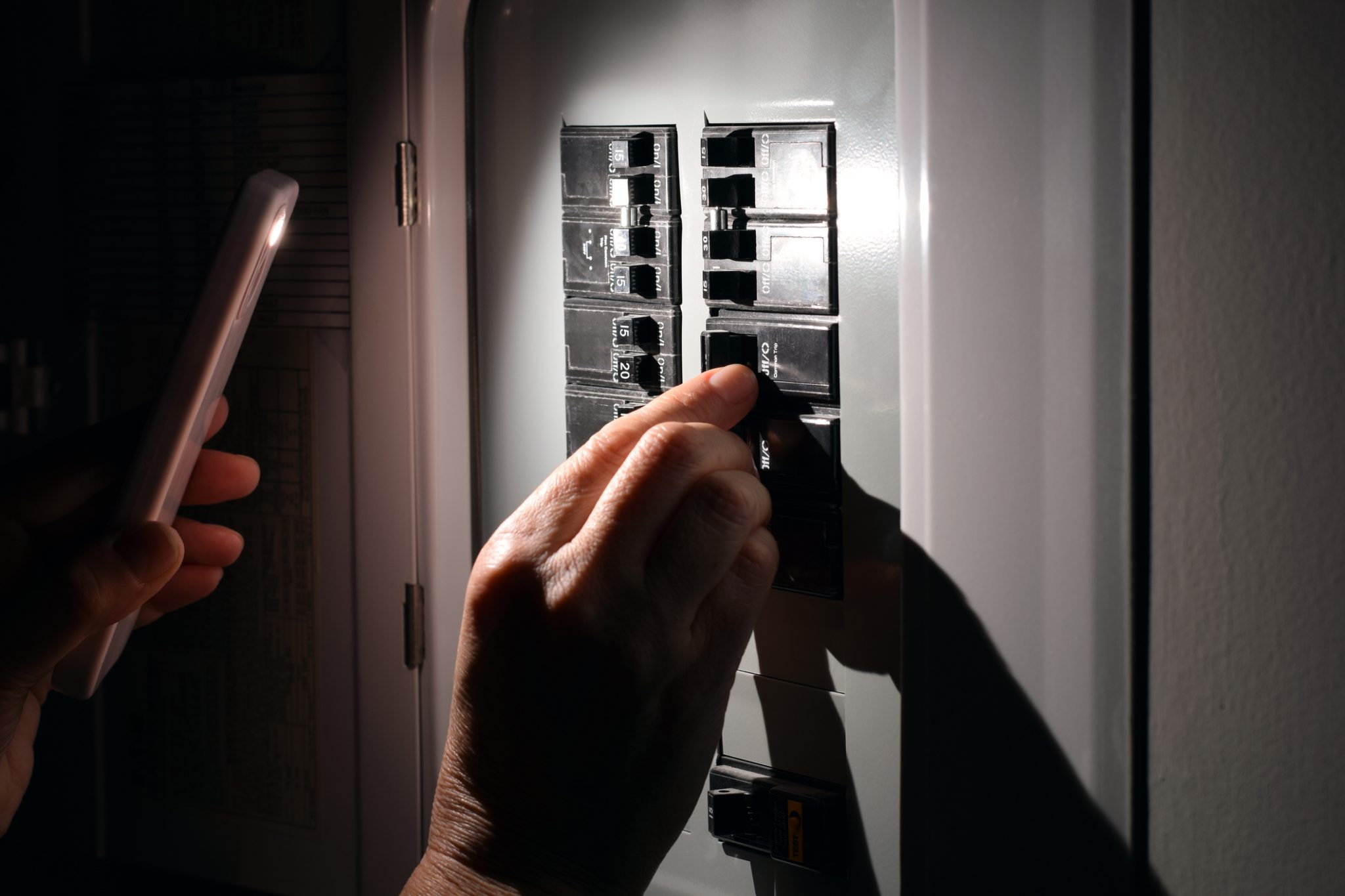

Here's something most homeowners get wrong: the outage itself doesn't damage your electrical system. The…
Battery Backup or Generator: Which One Actually Makes Sense for Your Arizona Home?
If you lived through last monsoon season in the Valley, you already know the answer to why this question matters. Arizona homeowners deal with some of the most punishing grid stress in the country: summer peak demand, storm outages, and rapid power cycling that leaves homes dark at the worst possible times. Both home battery backups and whole home generators can protect your household during an outage, but they work differently, cost differently, and suit very different situations.
The 2026 backup power market looks wildly different from what it did even two years ago. Battery technology has improved, federal incentives have shifted the math on storage systems, and more Arizona homeowners are pairing solar with batteries than ever before. The right choice comes down to three things: how long your outages typically last, what you need to keep running, and your budget. Here’s the honest breakdown.
The Backup Power Cheat Sheet
- Generators produce more power for longer: batteries are quieter, cleaner, and require almost zero maintenance.
- A single home battery unit powers essential loads for hours: a standby generator runs indefinitely as long as fuel holds.
- Battery backups pair naturally with solar, while generators do not.
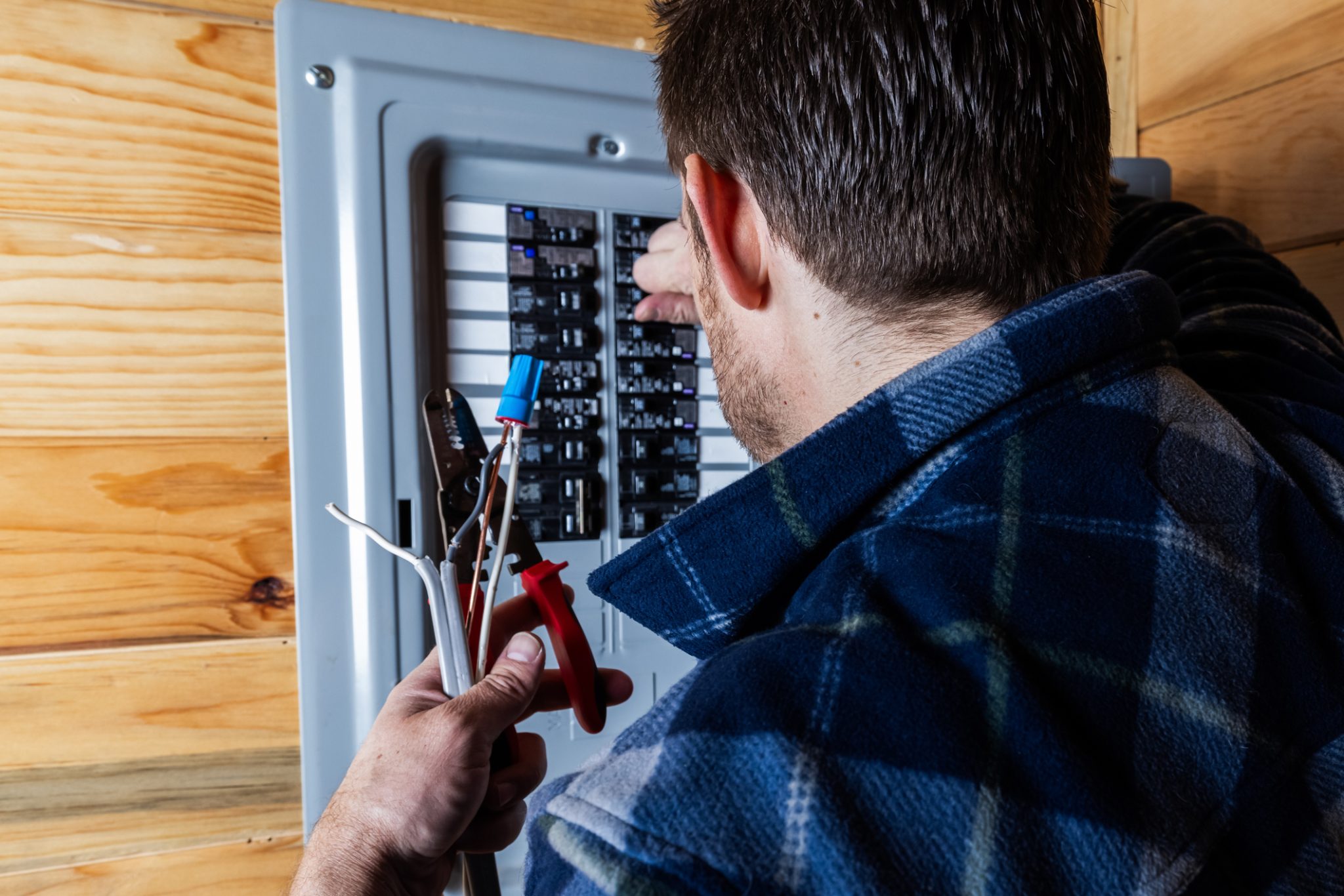
- A whole home generator requires a licensed electrician and a transfer switch before it touches your electrical panel — no workarounds.
- The right answer depends on your outage patterns, household needs, and whether solar is part of your setup.
Why Arizona Homeowners Need Backup Power More Than Most
Arizona consistently ranks among the top states for residential electricity consumption, and the grid feels it every summer. According to local energy companies, customers should prepare for multiple outage events during severe weather, particularly during the monsoon season, which runs from June through September. For households with medical equipment, home offices, or family members vulnerable to extreme heat, a July power outage is not an inconvenience — it is a health emergency.
The backup power conversation used to be optional in the Valley. At this point, for a lot of homeowners, it is just a matter of which system makes the most sense.
How Home Battery Backup Systems Work
The Basics of What You Are Getting
A home battery system stores electricity, either from the grid during off-peak hours or directly from solar panels, and releases it during an outage. Most residential systems use lithium iron phosphate or lithium-ion chemistry.
Popular options in the Arizona market right now include the Tesla Powerwall, Enphase IQ Battery, and Franklin WH. All of them require licensed electrical installation, and most involve coordination with your solar installer if panels are part of the picture.
Castle Electric handles battery backup installation as part of our electrification services, including load assessment, permitting, and final inspection.
What a Battery Can and Cannot Power
A single battery unit, typically 10 to 13.5 kWh, handles essential loads comfortably: lights, outlets, refrigerator, router, and small appliances. Central AC is where the conversation gets honest. A 3-ton AC unit draws 3,000 to 5,000 watts continuously. A single battery unit running central AC will last roughly one to two hours under full load. Two or three stacked units extend that significantly, but the cost scales proportionally.
Multiple units or a solar pairing changes the math entirely, as the U.S. Department of Energy notes that solar-plus-storage systems can extend backup capacity significantly by recharging during daylight hours. In Arizona, with more solar hours per year than almost any other state, this combination is hard to beat for frequent short outages.
How Long Does a Home Battery Backup Last?
Runtime depends entirely on what you are powering:
- Essential loads only (lights, fridge, outlets, router): 8 to 12+ hours on a single unit
- With central AC running: 1 to 3 hours on a single unit
- Two or more units with solar recharging: potentially days
How Whole Home Generators Work
Standby vs. Portable — Know the Difference
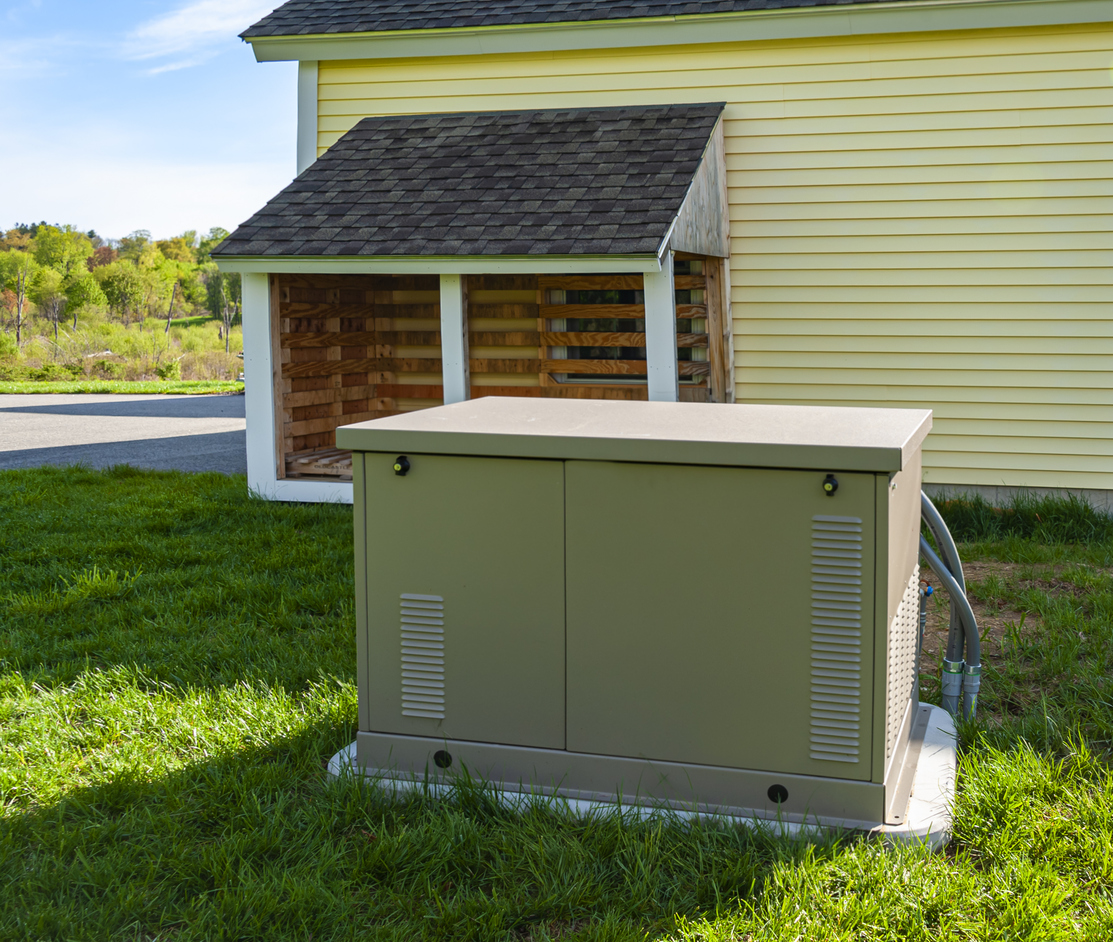
A standby generator is permanently installed outside the home, connected to a natural gas or propane line, and activates automatically the moment power is lost. A portable generator requires manual setup, runs on gasoline, and must stay outside due to carbon monoxide risk.
For whole-home coverage in Arizona heat, a standby unit is the practical answer — portable generators are supplemental equipment at best, not a whole-home solution.
What a Standby Generator Can Power
A properly sized standby generator runs everything in the home simultaneously — central AC, water heater, refrigerator, lights, appliances, and more. It runs as long as the fuel holds out, which, on a natural gas line, is essentially unlimited. Sizing matters enormously here:
- Under 2,000 sq ft with essential loads: 10 to 15 kW
- 2,000 to 3,500 sq ft with central AC: 18 to 22 kW
- Larger homes with multiple AC zones, pool equipment, or EV chargers: 25 kW and above
Important note: Never size a generator by guessing.
Have a licensed electrician calculate your actual electrical load before purchasing. An undersized generator causes as many problems as having no generator at all. Castle Electric’s electrical services team handles generator transfer switch installation throughout the Valley and can help you right-size the system for your home.
Pro Tip: A licensed electrician must install a transfer switch before any generator connects to your home’s electrical panel. This is not optional, not a formality, and not something to work around. It is the law, and it is what keeps utility workers safe when they restore power to your neighborhood.
Battery Backup vs. Generator — The Honest Head-to-Head
Here is where most homeowners get stuck, so let’s make it simple:
Choose a home battery backup if:
- You have solar panels or plan to add them
- Your outages are typically short (under 8 hours)
- Noise and maintenance are dealbreakers
- You want to take advantage of the federal 30% Investment Tax Credit currently available for battery storage systems
- Keeping essential loads running is the primary goal
Choose a whole home generator if:
- Your outages run long, say multiple days, following a major storm
- You need to power the central AC for an extended period
- You have a larger home with a high electrical demand
- You want guaranteed whole-home coverage regardless of weather conditions
- You are not currently on solar and do not plan to be
The honest answer for most Valley households: a battery handles the frequent short monsoon outages cleanly and quietly. A generator handles the extended ones. Some homeowners in areas prone to severe outages end up with both — a battery for immediate switchover and essential loads, a generator for the long haul.
Home Battery Backup Cost vs. Generator Cost in Arizona
Numbers matter, so here is a realistic breakdown: Single unit (Powerwall, Enphase IQ, Franklin WH) $10,000 to $15,000 installed
Battery backup installed cost:
- Two-unit system: $18,000 to $25,000 installed
- Federal IRA tax credit: 30% currently available, which meaningfully changes the net cost
Standby generator installed cost:
- Whole-home standby generator installed with transfer switch: $8,000 to $20,000, depending on size and site conditions
- Ongoing costs: annual maintenance, fuel
- No federal tax incentive is currently available
The battery backup has a higher sticker price in many cases — but the tax credit, lower maintenance costs, and solar compatibility close that gap faster than most people expect.
FAQs About Battery Backup vs. Generator for Arizona Homes
Can a battery backup power my AC unit in Arizona?
For short periods, yes. A single unit running central AC lasts one to two hours. Multiple stacked units or solar recharging extend that significantly. Mini-split systems are far more battery-friendly than central AC if backup power for cooling is the primary goal.
Is a whole-home generator worth it in Arizona?
For larger homes, households with medical equipment, or anyone who has experienced multi-day outages: yes, without question. For smaller homes with infrequent short outages and solar, a battery system often makes more sense.
Do I need a transfer switch for my generator?
Yes. Every time. No exceptions.
Which is better for the monsoon season: battery or generator?
For the fast, repeated outages that monsoon storms typically produce, a battery wins on convenience and response time. For extended outages from a major storm system, a generator wins on runtime.
Make the Right Call Before the Next Outage
Generators win on raw power and unlimited runtime. Batteries win on silence, maintenance, solar compatibility, and the federal tax credit. The Castle Electric team has helped homeowners across the Valley navigate this exact decision, and the right answer is always specific to the home, the household, and the area’s outage history.
Neither system installs itself, and neither should be connected to your electrical panel without a licensed electrician and a proper permit. Our electrification services cover both — from load assessment to final inspection.
Get Expert Backup Power Advice From a Licensed Arizona Electrician
If you are tired of riding out Arizona outages with candles and crossed fingers, it is time to have a real conversation about backup power. Castle Electric and Lighting serves homeowners across Scottsdale, Phoenix, Chandler, Gilbert, Glendale, Mesa, Paradise Valley, and Fountain Hills.
Whether you are leaning toward a battery system, a standby generator, or want a straight answer on which makes more sense for your home, we will give you one. Call or text us at (480) 570-8014 or request a free quote online — before the next storm makes the decision for you.
Related Posts