
Arizona evenings are genuinely spectacular, and for most of the year, the backyard doesn't become…

Are You Making These Common EV Charger Maintenance Mistakes?
Your EV charger works hard every night, and most homeowners never give it a second thought. That’s the problem. Skipping basic EV charger maintenance is one of the fastest ways to shorten its lifespan, slow your charge times, and end up with a very expensive paperweight in your garage. The good news? Keeping your home charging station in top shape takes less effort than you think, at least if you know what to look for.
Arizona throws a curveball most EV owners don’t account for: brutal heat, blowing dust, and intense UV exposure that quietly degrade your equipment year-round. Whether you’ve got a Tesla Wall Connector or a standard Level 2 charger, a little upkeep goes a long way. Here are three maintenance tips every EV owner in the Valley needs to know.
Short Version (For the Scroll-and-Skimmers)
- Inspect your charging cable and connector monthly for wear, fraying, or bent pins.
- Clean your charging station regularly, as dust and heat are silent killers in Arizona.
- Schedule an annual electrical inspection with a licensed electrician to catch problems before they catch you.
- A well-maintained Level 2 charger can last 10+ years; neglect cuts that number significantly.
- Slower-than-normal charging or a tripping breaker are red flags; don’t ignore them.
Why Your EV Charger Needs More Attention Than You’re Giving It
Most people treat their home EV charger like a light switch: install it and forget it. But your charger is a piece of electrical equipment running on a dedicated 240-volt circuit, often for 6–10 hours every night. That’s real wear and tear.
Ignoring maintenance doesn’t just shorten the charger’s lifespan; it can create genuine safety hazards, including overheating, tripped breakers, and in worst-case scenarios, electrical fires. According to the U.S. Department of Energy, Level 2 home chargers are the most common setup for EV owners, and proper installation and upkeep are critical to safe, efficient operation.
Tip #1 — Inspect Your Charging Cable and Connector Regularly
The cable is the most physically handled part of your charging setup, which makes it the most vulnerable. Every time you plug in, unplug, coil the cable, or let it drag across your garage floor, you’re adding mileage to the one part that takes a beating daily.
What to check monthly:
- Fraying, cracks, or exposed wiring along the cable
- Bent, corroded, or dirty pins inside the connector
- Loose fit when plugging into your vehicle
- Scorch marks or discoloration near the connector head
If you spot any of the above, stop using the charger and call a licensed electrician. That damaged cable is a real fire risk, not just a minor inconvenience. Also, make sure to store the cable properly when not in use: looped loosely, not kinked or coiled tightly. Wall-mounted cable holders are a simple, inexpensive fix that most homeowners overlook.
Pro Tip: Never yank the cable out by pulling on the cord itself. Always grip the connector head. It’s a small habit that adds years to your cable’s life.
Tip #2 — Keep Your Charging Station Clean and Weatherproofed
Arizona is gorgeous. It’s also relentless on outdoor equipment. Dust storms, extreme UV rays, and summer temperatures that regularly crack 110°F create conditions that degrade electrical components faster than nearly anywhere else in the country.
A dirty or poorly sealed charging station can overheat, short-circuit, or allow moisture from monsoon rains to sneak into places it absolutely shouldn’t be.
Here’s how to keep it clean and protected:
- Wipe down the unit monthly with a dry or slightly damp cloth. That means no harsh chemicals and no pressure washing
- Check that the mounting hardware is tight and the unit isn’t shifting or vibrating
- Inspect the enclosure seals and any weatherproof covers for cracks or gaps
- If your charger is outdoors, make sure it’s rated for outdoor use (NEMA 3R or better)
For outdoor installations in the Phoenix metro area, shade matters. A charger baking in direct afternoon sun runs hotter, and heat is the enemy of electronics. If yours is sun-exposed, a simple shade structure can make a meaningful difference in longevity.
Tip #3 — Schedule an Annual Electrical Inspection
This is the one most homeowners skip entirely. And it’s arguably the most important.
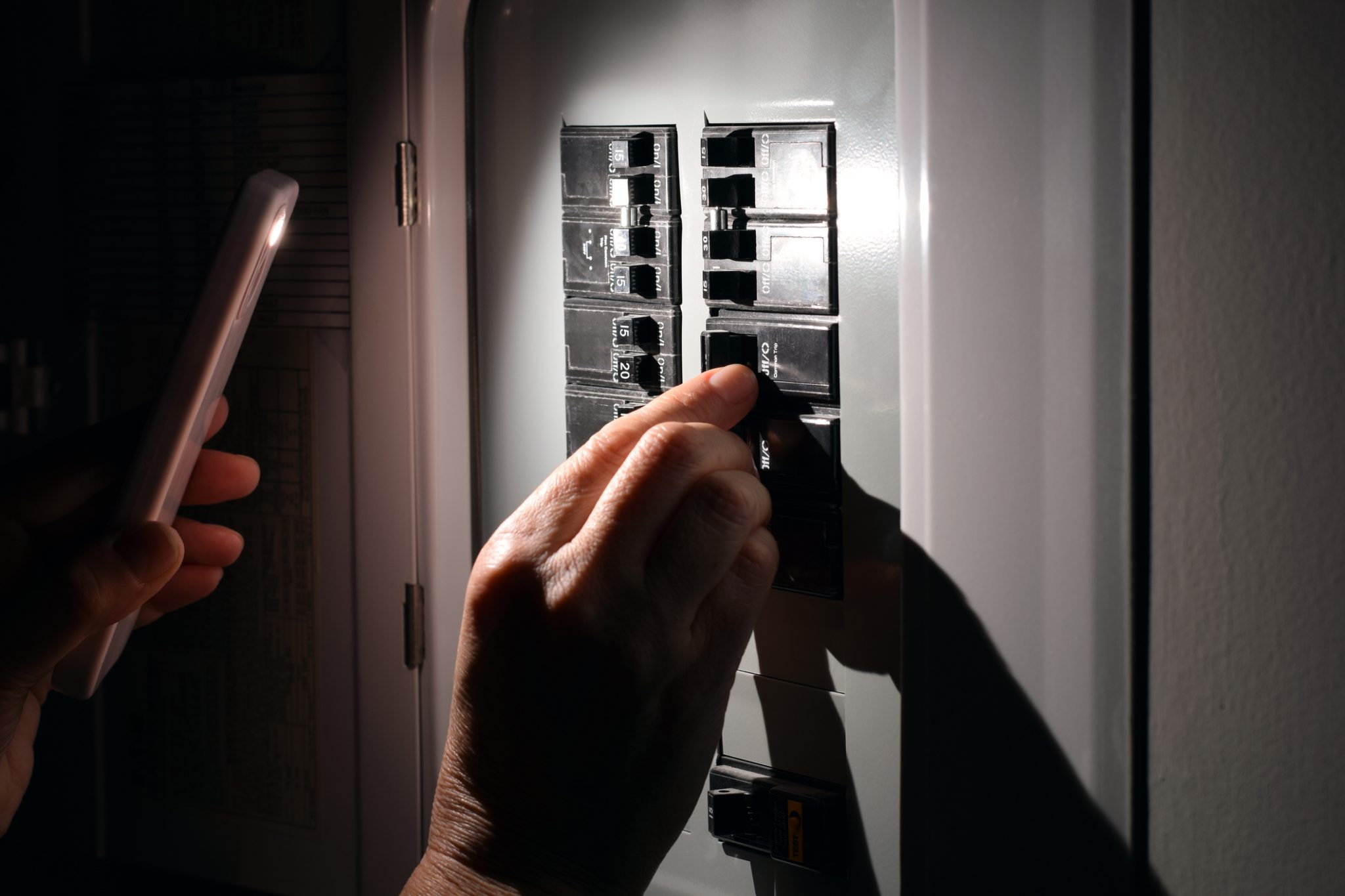
Your charger doesn’t operate in isolation; it’s connected to your home’s electrical panel, wiring, and breaker. Over time, connections can loosen, breakers can weaken, and wiring can degrade. None of that is visible without opening things up.
A licensed electrician will check:
- Wiring connections at the charger and panel for tightness and corrosion
- Breaker health and proper amperage draw
- GFCI protection functionality
- Voltage output to ensure your charger is performing at rated capacity
Signs you need an inspection sooner rather than later:
- Your charger feels hot to the touch
- It’s consistently tripping the breaker
- Charging times have gotten noticeably longer
- The unit is making sounds it didn’t make before
Castle Electric’s team handles EV charging station inspections and installations across the Valley, and can spot issues before they turn into costly repairs or replacements. If it’s been more than a year since your charger was looked at by a professional, it’s time.
How Long Should a Home EV Charger Last?
A quality Level 2 home charger, properly installed and maintained, should last 10 to 15 years. Cut corners on maintenance, or ignore the Arizona heat factor, and you could be looking at replacement in half that time.
Signs it may be time to upgrade or replace:
- Frequent charging failures or error codes
- Physical damage that can’t be repaired
- Your charger is no longer compatible with your vehicle
- You’ve upgraded your EV and need faster charging capability
Thinking about an upgrade or adding a second charger? Castle Electric’s electrification services cover everything from new installations to full panel upgrades to support your home’s growing electrical needs.
EV Charger Maintenance: Your Questions Answered
“How do I maintain my EV charger at home?” Monthly visual inspections of the cable and connector, regular cleaning of the unit, and an annual electrical inspection by a licensed electrician. That’s the whole playbook.
“How often should I inspect my home EV charger?” Do a quick visual check monthly. Schedule a professional electrical inspection once a year, or immediately if you notice anything unusual.
“Why is my EV charger not working?” Common culprits include a tripped breaker, a damaged cable or connector, a software/firmware glitch, or a wiring issue at the panel. Start with the breaker, then call a pro if it doesn’t resolve.
“What maintenance does an EV charger need?” Cable and connector checks, exterior cleaning, weatherproofing verification, and annual electrical inspections. Simple, but most people skip all of it.
Bottom Line: Protect the Investment You Already Made
Your EV charger is a piece of electrical infrastructure that keeps your vehicle running every single day. Treat it accordingly. A monthly visual check, a clean unit, and one professional inspection per year is all it takes to get maximum life and performance out of your home charging setup. Don’t wait for a problem to tell you something’s wrong.
Ready to Schedule Your EV Charger Inspection in Arizona?
If your charger hasn’t been looked at in a while, or ever, it’s time to change that. Castle Electric and Lighting serves homeowners throughout Scottsdale, Phoenix, Chandler, Gilbert, Glendale, Mesa, Paradise Valley, Fountain Hills, and the surrounding areas. Our licensed electricians know EV systems inside and out, and we’ll make sure yours is safe, efficient, and built to last.
Call or text us today at (480) 570-8014 or get a free quote online, and we’ll take it from there.
Related Posts